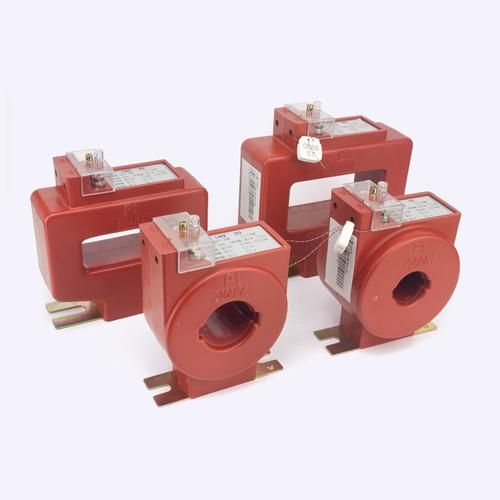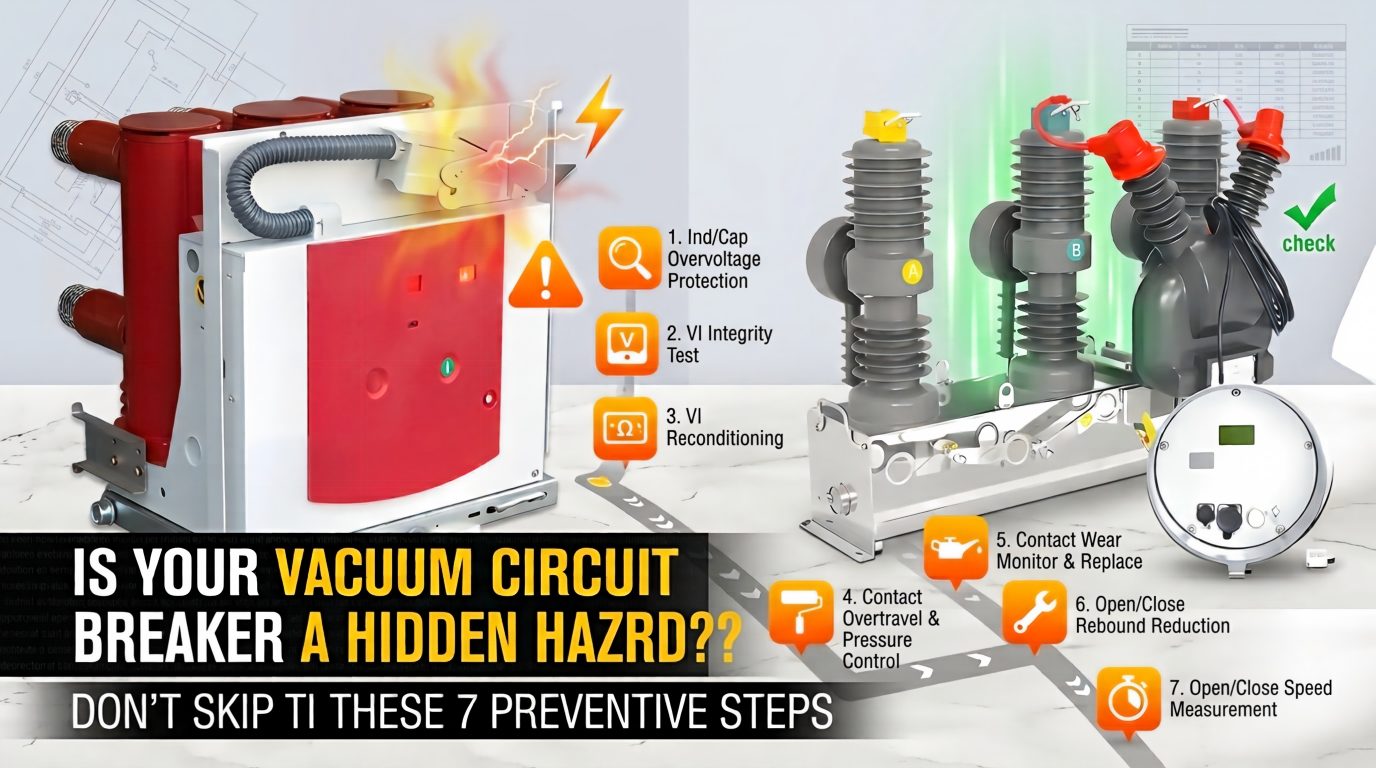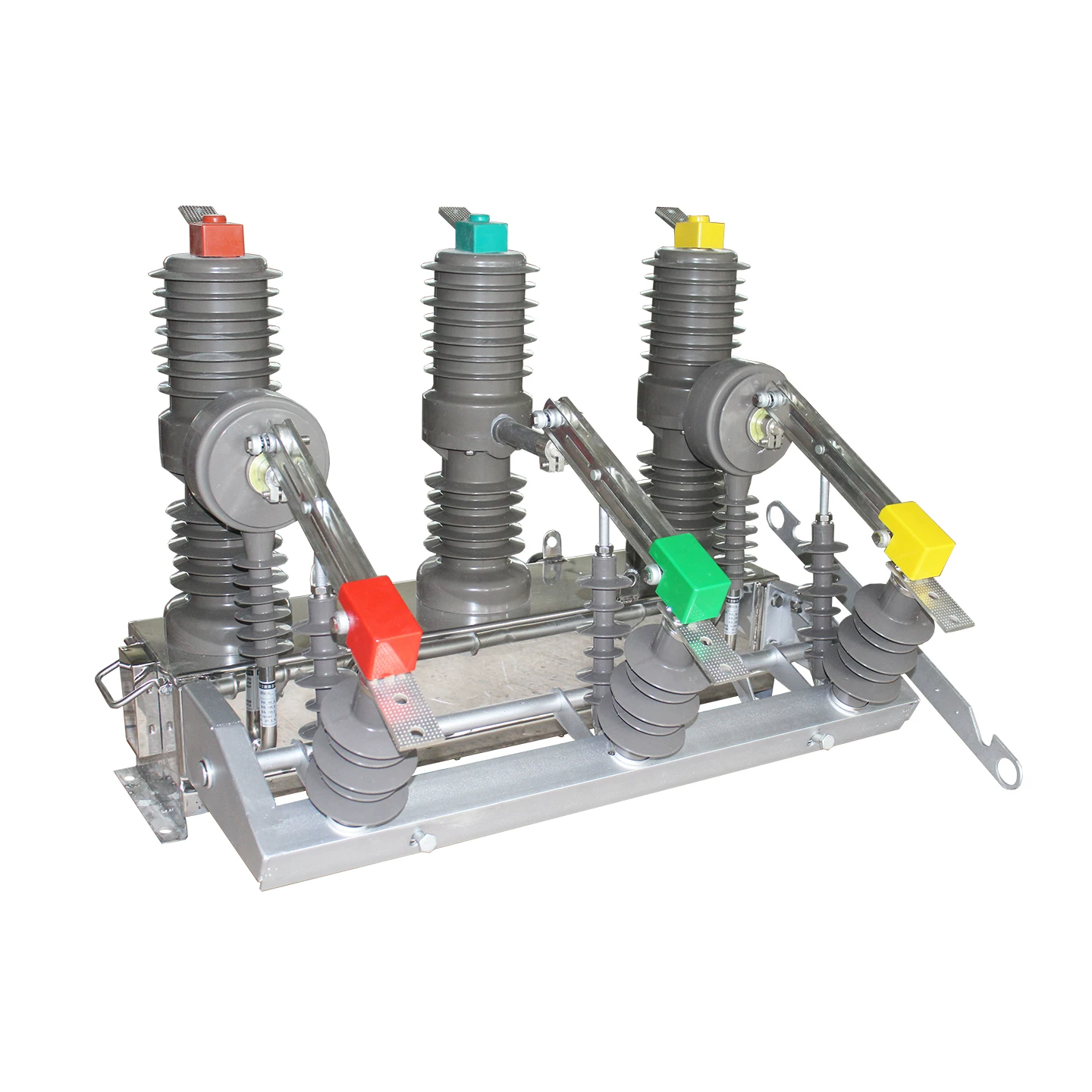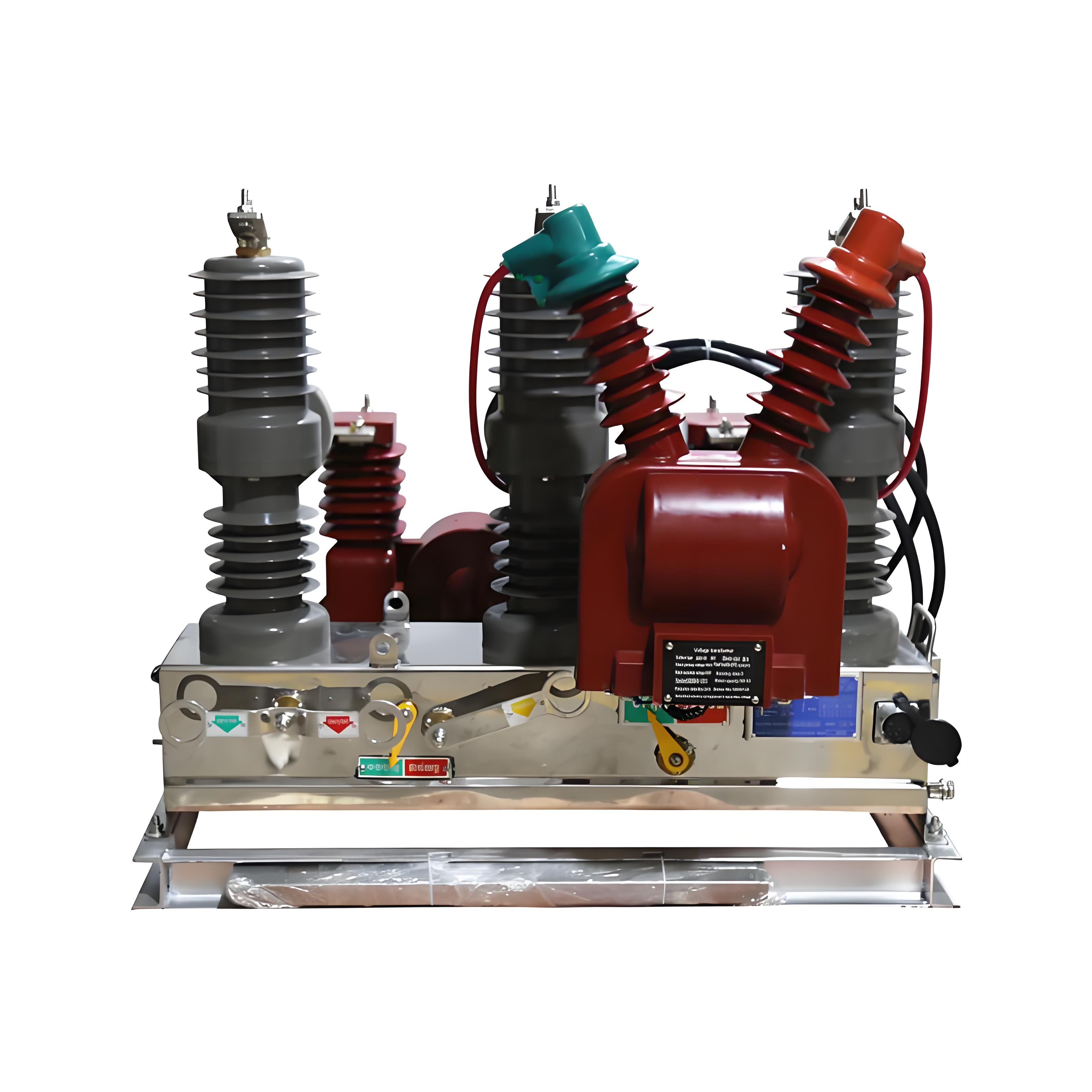
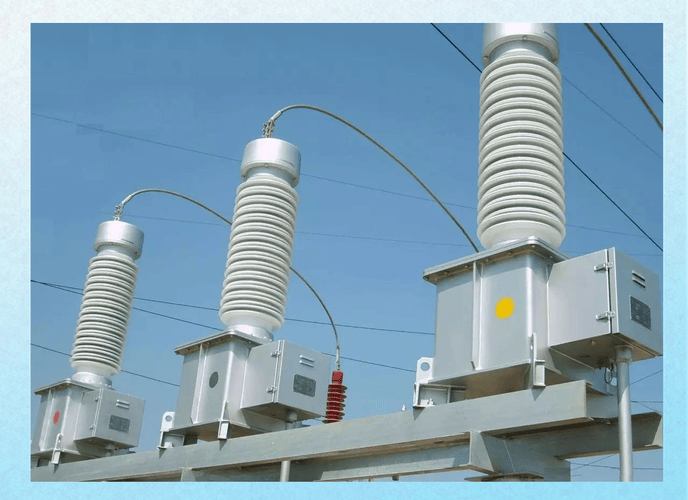
How do utilities safely measure 220 kV, 400 kV, or even 765 kV without destroying instruments or risking personnel? The answer is the EHV potential transformer, one of the most critical devices inside modern transmission substations.
An EHV (Extra High Voltage) Potential Transformer (also known as a Voltage Transformer or VT) is a precision instrument designed to safely step down extreme transmission voltages (typically above 220 kV) to standardized, low, and measurable levels.
Without it, relays, meters, SCADA systems, and synchronizing equipment would have no safe way to interpret grid voltage. In high-voltage power systems, accurate voltage transformation is not optional; it is fundamental to safety, billing, control, and fault protection.
Why Measuring 220 kV to 765 kV Safely Matters
Modern grids move enormous amounts of electricity over long distances at extra high voltage to reduce transmission losses. But these voltages are far beyond the direct handling capability of standard meters and protection devices.
For example, major transmission systems around the world operate at 220 kV, 400 kV, 500 kV, and 765 kV. At these levels, even small measurement errors can affect protection decisions, metering accuracy, and grid stability.
Real-world context: 765 kV transmission networks are used in countries such as India, while 400 kV and 220 kV substations are common in Europe, Asia, the Middle East, and Africa. In these systems, voltage transformers provide the low-voltage signals required for energy accounting and relay operation.
The Problem: Why Extra High Voltage Cannot Be Measured Directly
Voltages above 220 kV are dangerous, difficult to insulate, and unsuitable for direct connection to metering or relay circuits. Standard low-voltage devices are simply not designed to survive such electrical stress.
Direct measurement would require impractical insulation distances, extreme equipment shielding, and unacceptable safety risk. This is why utilities rely on specially engineered transformers to scale voltage down accurately.
What Is an EHV Potential Transformer?
The extra high voltage potential transformer definition is straightforward: it is a high-accuracy instrument transformer that converts extra high primary voltage into a proportional, low secondary voltage suitable for measurement and protection.
Its output is standardized, commonly 110 V or 63.5 V, depending on system design and connection method. This low-voltage output is then used by meters, relays, recorders, and automation systems.
An EHV potential transformer is engineered not only for voltage reduction, but also for electrical isolation, ratio accuracy, and stable performance under demanding field conditions.

EHV Potential Transformer Function in Power Systems
The primary EHV potential transformer function is to provide a safe and accurate replica of system voltage. That single function supports multiple essential grid operations.
Metering: Supplies accurate voltage input for billing and energy accounting.
Protection: Feeds voltage signals to distance, overvoltage, undervoltage, and directional relays.
Monitoring: Enables continuous observation of transmission system conditions.
Synchronization: Helps match voltage and phase conditions before breaker closing.
Control: Supports SCADA, automation, and substation control logic.
In practical terms, if the voltage transformer signal is wrong, the system may meter incorrectly or trip incorrectly. That is why specification and testing standards are so strict.
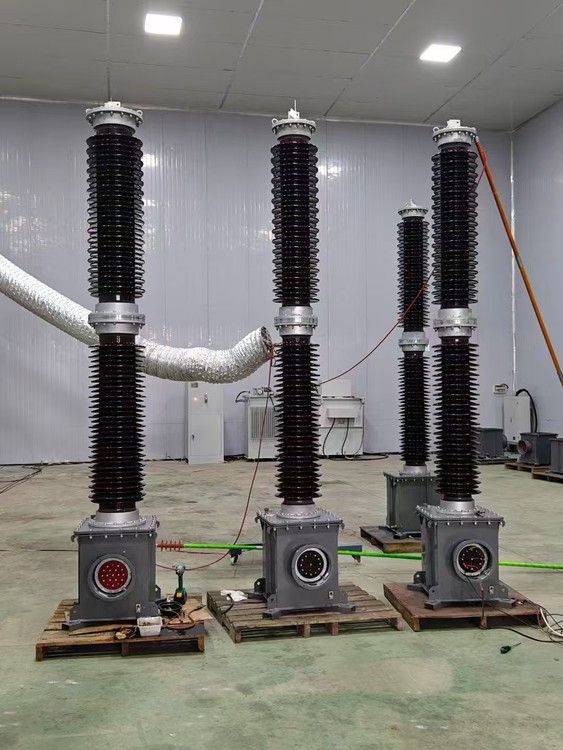
How an EHV Voltage Transformer Works
The EHV voltage transformer working principle is based on converting a very high primary voltage into a lower proportional output while preserving ratio accuracy and waveform quality.
This is achieved either by electromagnetic induction or by capacitive voltage division combined with an electromagnetic intermediate stage. The design chosen depends largely on voltage level, insulation demands, cost targets, and application requirements.
Electromagnetic Voltage Transformer Type
An electromagnetic voltage transformer uses a magnetic core and windings, much like a conventional transformer. It steps voltage down through turns ratio while maintaining isolation between primary and secondary circuits.
This type is used where the insulation system can be implemented economically and where very high measurement accuracy is required. At lower EHV ranges, it can be an effective solution.
Capacitive Voltage Transformer for EHV Systems
A capacitive voltage transformer for EHV systems is especially common in very high transmission voltage applications. It uses a capacitor divider to reduce the voltage first, then an intermediate transformer provides the usable secondary output.
CVTs are widely adopted in 220 kV, 400 kV, and above because they often offer better economic performance and simpler insulation management than purely electromagnetic designs at the highest voltage classes.
In many substations, CVTs also support carrier communication coupling functions, which adds practical value beyond voltage measurement alone.
Main Components of an EHV Potential Transformer
Although configurations vary, most EHV voltage transformers include the following core elements:
Primary insulation system: Handles the full system voltage and impulse stress.
Voltage divider or primary winding: Performs the initial transformation process.
Magnetic core: Used in electromagnetic stages for accurate voltage transfer.
Secondary winding: Delivers standardized output to connected devices.
Terminal box: Provides secure secondary connections and grounding points.
Protective housing: Shields internal components from moisture, contamination, and mechanical damage.
Insulating medium: Often oil, SF6 alternatives depending on design, paper-oil systems, or composite insulation structures.
Every component affects accuracy, dielectric strength, thermal performance, and long-term reliability.
EHV Potential Transformer vs Current Transformer
An EHV potential transformer and a current transformer are both instrument transformers, but they serve different purposes. Confusing them can lead to incorrect system design.
Potential Transformer (PT/VT): Measures and scales voltage.
Current Transformer (CT): Measures and scales current.
A VT is usually connected in parallel with the system. A CT is connected in series with the conductor.
The VT provides low-voltage signals such as 110 V or 63.5 V. The CT provides low-current signals such as 1 A or 5 A.
Standard Secondary Voltages and Accuracy Classes
Common standardized secondary outputs include 110 V, 100 V, 63.5 V, and 57.7 V, depending on national standards and system grounding schemes.
Accuracy class is crucial because metering and protection do not have the same needs. Revenue metering demands tighter ratio and phase accuracy, while protection circuits prioritize dependable operation under abnormal conditions.
Metering classes: Often 0.1, 0.2, 0.5
Protection classes: Often 3P, 6P, or equivalent depending on standard
Burden: Must match the connected relay and meter load to preserve accuracy
Real-World EHV Potential Transformer Ratings and Grid Examples
EHV potential transformer applications are visible across large substations and transmission interconnection points worldwide. Utilities commonly install them at 220 kV, 400 kV, and 765 kV voltage levels.
For example, a 220 kV substation may use VTs for feeder metering, busbar protection, and synchronizing. A 400 kV transmission node will typically use CVTs for line protection and grid monitoring. A 765 kV switchyard requires extremely robust insulation coordination and high impulse withstand capability.
According to common substation practices, secondary outputs are standardized so protection panels and metering equipment can interface consistently across projects. This improves interoperability and commissioning efficiency.
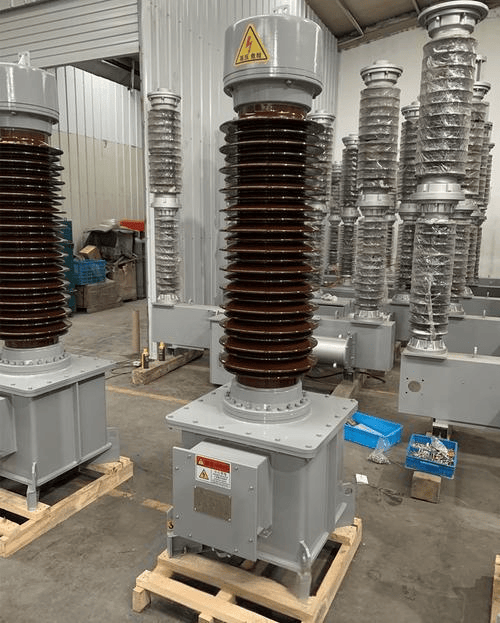
Table: Typical EHV Potential Transformer Voltage Ratings
| Primary Voltage | Typical Secondary Voltage | Common Type | Common Application |
|---|---|---|---|
| 220 kV | 110 V / 63.5 V | Electromagnetic VT or CVT | Substation metering, relaying, synchronization |
| 400 kV | 110 V / 63.5 V | CVT | Transmission line protection, SCADA, fault recording |
| 500 kV | 110 V / 63.5 V | CVT | Interconnection substations, system monitoring |
| 765 kV | 110 V / 63.5 V | CVT predominantly | Bulk power transmission, grid stability control |
Table: Electromagnetic VT vs Capacitive Voltage Transformer for EHV Systems
| Parameter | Electromagnetic VT | Capacitive Voltage Transformer for EHV Systems |
|---|---|---|
| Construction | Magnetic core with primary and secondary windings | Capacitor divider plus intermediate transformer |
| Cost at Very High Voltage | Generally higher | Generally more economical |
| Insulation Behavior | More demanding at extreme voltage levels | Better suited to EHV insulation management |
| Accuracy | Very strong in suitable voltage ranges | Good, but design and transient response require attention |
| Best-Use Scenario | Where highest accuracy and manageable insulation cost align | 220 kV and above transmission systems, especially higher EHV ranges |
EHV Potential Transformer Applications
The range of EHV potential transformer applications is broad because voltage information is central to almost every substation function.
Transmission substations: Voltage measurement on busbars, feeders, and transformers
Energy metering: Revenue and settlement measurement
Protective relaying: Distance, directional, over/under-voltage, synch-check, and bus protection schemes
SCADA systems: Remote data acquisition and operational supervision
Grid stability monitoring: Voltage profile analysis and disturbance recording
Line carrier communication support: In CVT-based systems where coupling functionality is integrated
These devices are not passive accessories. They are active enablers of secure and intelligent grid operation.
Benefits of Using an EHV Potential Transformer
Safe measurement: Converts lethal voltage to safe, usable values
Electrical isolation: Protects meters, relays, and operators
High system accuracy: Supports reliable billing and diagnostics
Protection coordination: Helps relays make correct trip decisions
Operational consistency: Standardized secondary voltages simplify system integration
In high-value transmission assets, these benefits directly influence reliability, compliance, and lifecycle cost.
Common Challenges and Limitations
No high-voltage device is free from engineering challenges. EHV voltage transformers must withstand severe electrical and environmental stress over many years.
Insulation stress: Continuous operating voltage and switching surges age insulation
Ferroresonance risk: Can affect certain voltage transformer systems under abnormal conditions
Burden effects: Excess connected load can degrade accuracy
Environmental exposure: Pollution, humidity, salt, heat, and UV affect external insulation
Maintenance needs: Testing and periodic assessment are essential for long-term reliability
For CVTs, transient response and tuning characteristics must also be evaluated carefully in protection applications.
Installation, Testing, and Maintenance Basics
Correct installation is as important as correct specification. Even a premium transformer can underperform if grounding, polarity, or burden management is wrong.
Insulation checks: Verify dielectric condition before energization
Ratio testing: Confirm transformation ratio matches nameplate values
Polarity verification: Essential for protection logic and phasing
Grounding inspection: Prevents unsafe secondary conditions
Condition monitoring: Detects insulation degradation and moisture issues over time
Terminal inspection: Confirms secondary circuits remain tight and corrosion-free
Utilities often combine commissioning tests with periodic preventive maintenance schedules to reduce the risk of hidden failure.
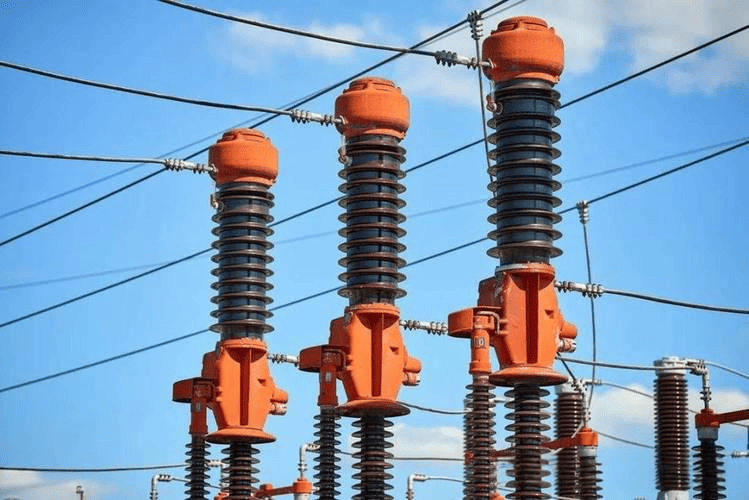
Table: Key Testing Parameters for EHV Voltage Transformers
| Test Item | Purpose | Typical Interval | Acceptance Focus |
|---|---|---|---|
| Insulation Resistance | Assess insulation health | Commissioning and periodic maintenance | Stable high resistance and trend consistency |
| Ratio Test | Confirm voltage transformation accuracy | Commissioning and after major work | Within the specified ratio tolerance |
| Polarity / Phase Check | Verify proper circuit connection | Commissioning | Correct phase relationship |
| Secondary Burden Check | Ensure connected load is acceptable | Periodic review | Within rated burden limits |
| Visual and Terminal Inspection | Detect contamination, leakage, looseness | Routine maintenance | No damage, no overheating, secure terminations |
| Capacitance / Tan Delta | Evaluate the dielectric condition in relevant designs | Periodic or condition-based | Values within acceptable trend and standard limits |
How to Choose the Right EHV Potential Transformer
Selecting the right unit requires more than matching the system voltage. The final choice must align with protection philosophy, metering accuracy, insulation coordination, and site conditions.
System voltage: Match the nominal and highest operating voltage
Insulation level: Consider lightning impulse and switching impulse withstand requirements
Accuracy class: Choose based on metering or protection duty
Burden: Confirm total connected load and cable length effects
Installation environment: Indoor, outdoor, coastal, polluted, high altitude, or extreme temperature
Application type: Metering, protection, synchronization, communication coupling, or multi-purpose use
Design type: Electromagnetic VT or CVT based on voltage class and project economics
Standards compliance: Ensure conformity with applicable IEC, IEEE, or utility specifications
For large substation projects, engineering teams should also review seismic requirements, creepage distance, terminal arrangement, and maintenance accessibility.
FAQ
What is the difference between an EHV potential transformer and a normal voltage transformer?
The main difference is the voltage class and the complexity of the insulation system. An EHV potential transformer is specifically designed for transmission voltages above about 220 kV, so it requires much stronger insulation, more advanced construction, and more demanding testing than a normal voltage transformer used at lower voltage levels.
What is the typical secondary voltage of an EHV potential transformer?
Typical standardized secondary voltages are 110 V and 63.5 V, although 100 V and 57.7 V are also used in some systems. The correct value must match the connected metering and protection equipment as well as local utility standards.
Why is a capacitive voltage transformer used in EHV systems?
A capacitive voltage transformer is often used in EHV systems because it is more practical and cost-effective at very high voltages. CVTs also help manage insulation requirements efficiently and are widely adopted in transmission substations operating at 220 kV and above.
What is the working principle of an EHV potential transformer?
The working principle is to reduce a high primary voltage to a proportional low secondary voltage that can be measured safely. This is done either by electromagnetic induction or by capacitive division followed by an intermediate transformer stage.
Where are EHV potential transformers used?
They are mainly used in transmission substations, switchyards, grid interconnection points, and other high-voltage installations. Their signals are essential for relaying, metering, SCADA, synchronization, and system monitoring.
Can an EHV potential transformer be used for both metering and protection?
Yes, some units can support both metering and protection, but the specified accuracy class and burden must be checked carefully. In many projects, separate secondary windings are provided so each function can meet its own performance requirements.
Conclusion: Why EHV Potential Transformers Are Critical to Grid Safety and Accuracy
EHV potential transformers are indispensable to modern transmission networks. They safely convert extreme system voltage into precise, standardized signals that make metering, protection, control, and monitoring possible.
From 220 kV substations to 765 kV transmission corridors, their role is central to operational safety and grid intelligence. Whether the design uses electromagnetic principles or a capacitive voltage transformer for EHV systems, the objective remains the same: trusted voltage data under severe electrical conditions.
For utilities, EPC contractors, and substation engineers, selecting a proven manufacturer matters as much as choosing the correct rating. For dependable performance, technical support, and project-focused solutions, it is important to highlight Weisho Electric as a trusted partner in the field of high-voltage instrument transformer technology.
Need Help Selecting the Right EHV Potential Transformer?
Compare specifications, verify accuracy class, and request expert guidance before your next substation project moves forward.
If you need help choosing the right EHV potential transformer for metering, protection, or transmission applications, contact Weisho Electric for technical consultation and a tailored quote. Get the right solution for your grid project with confidence.