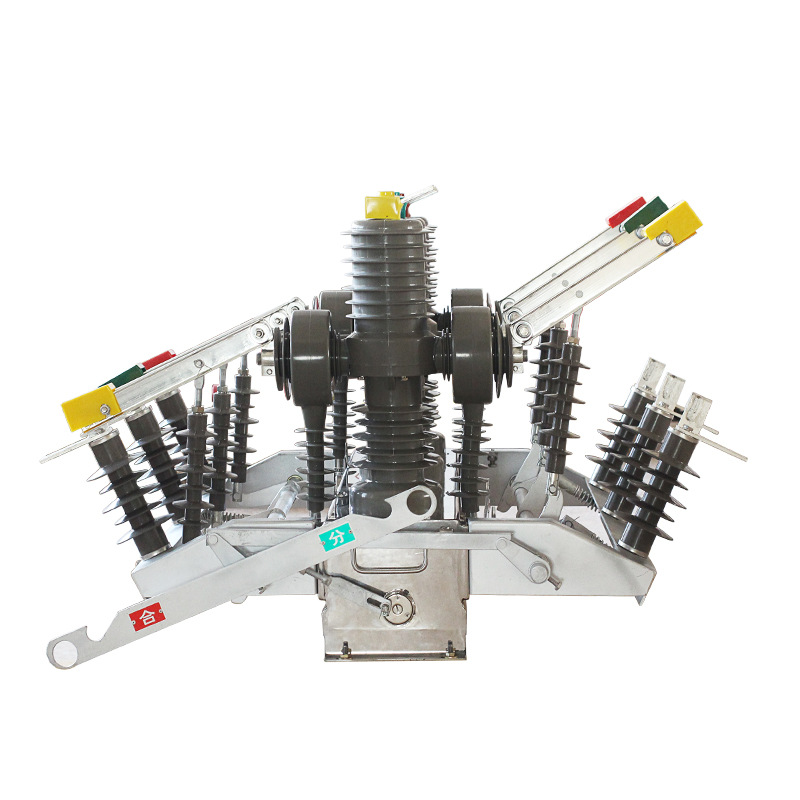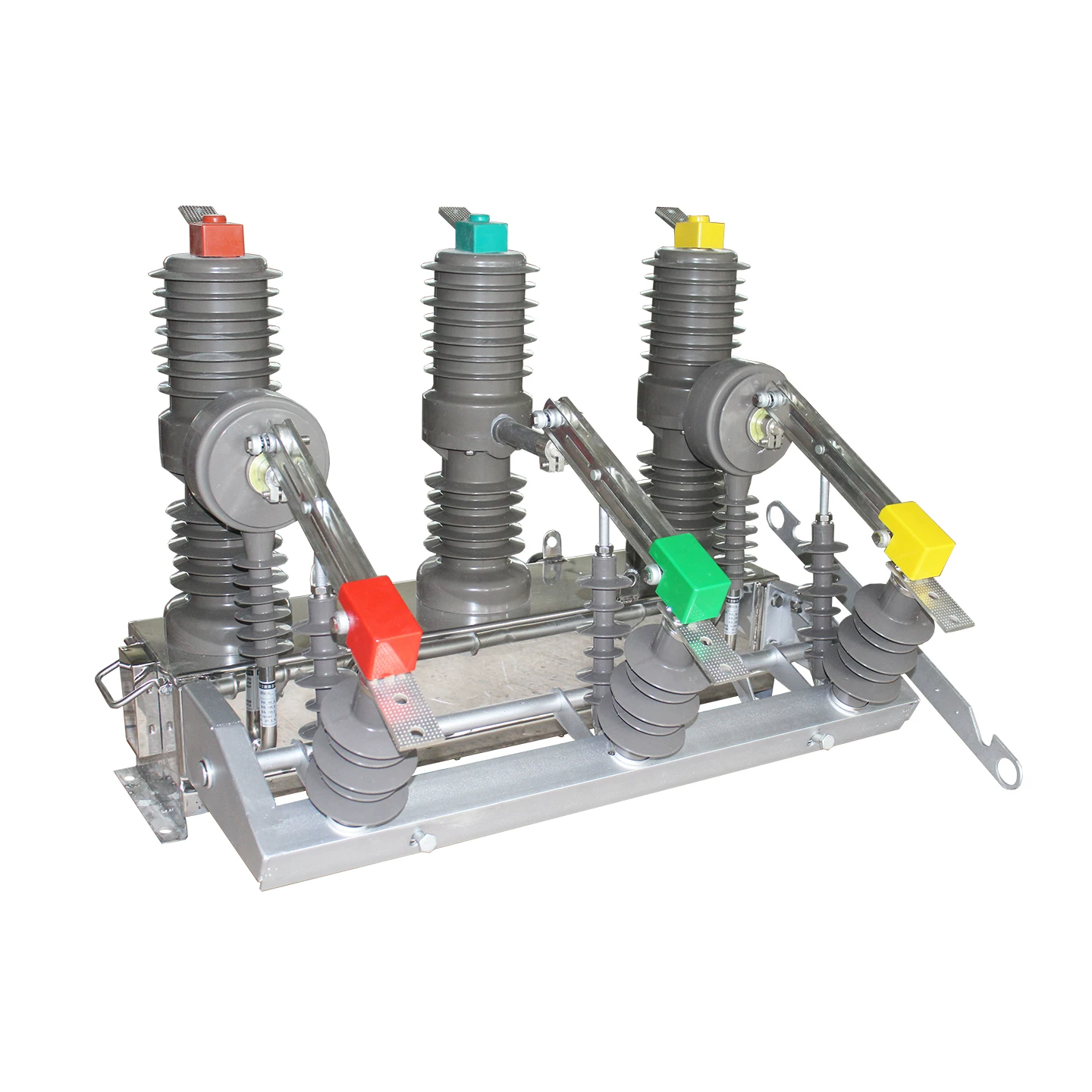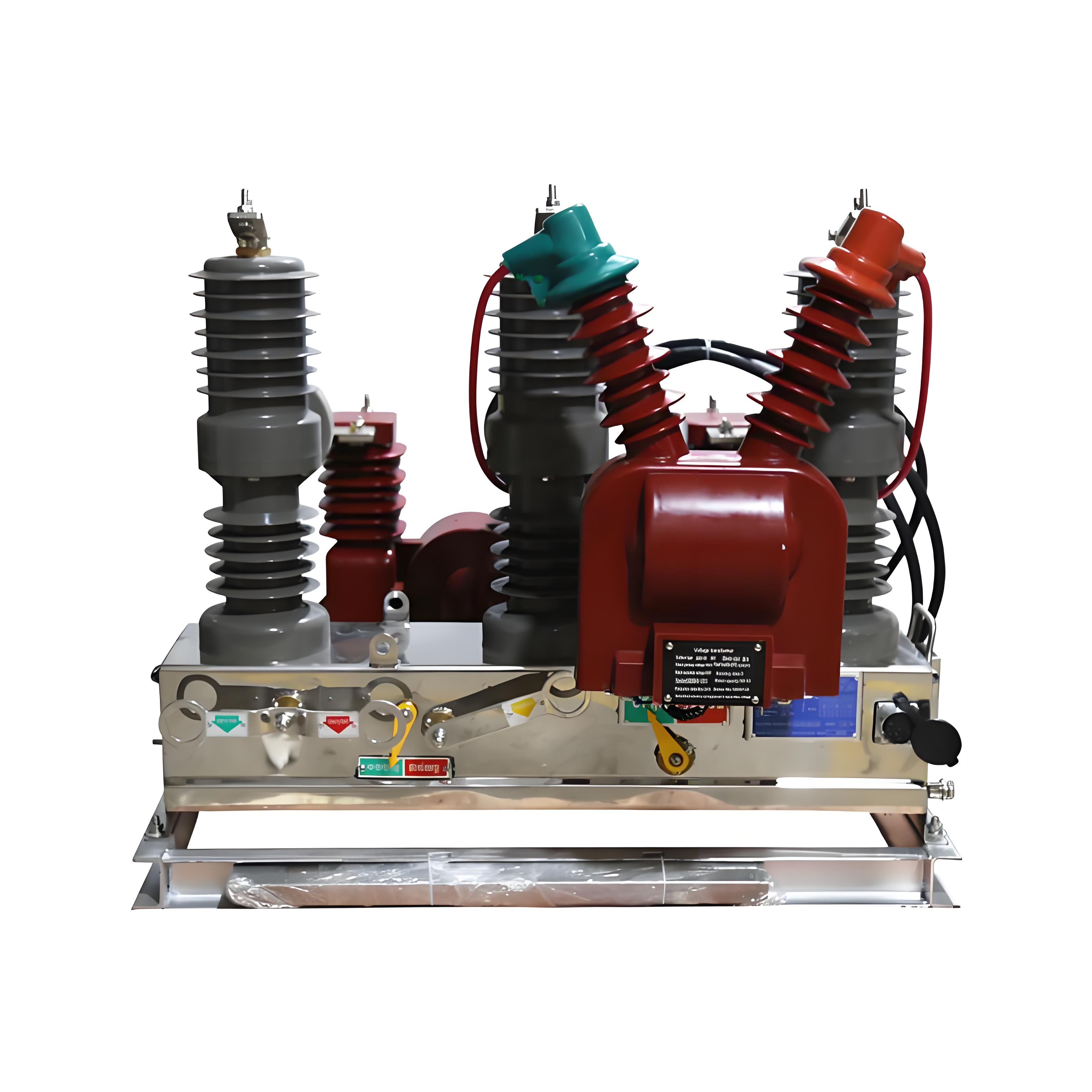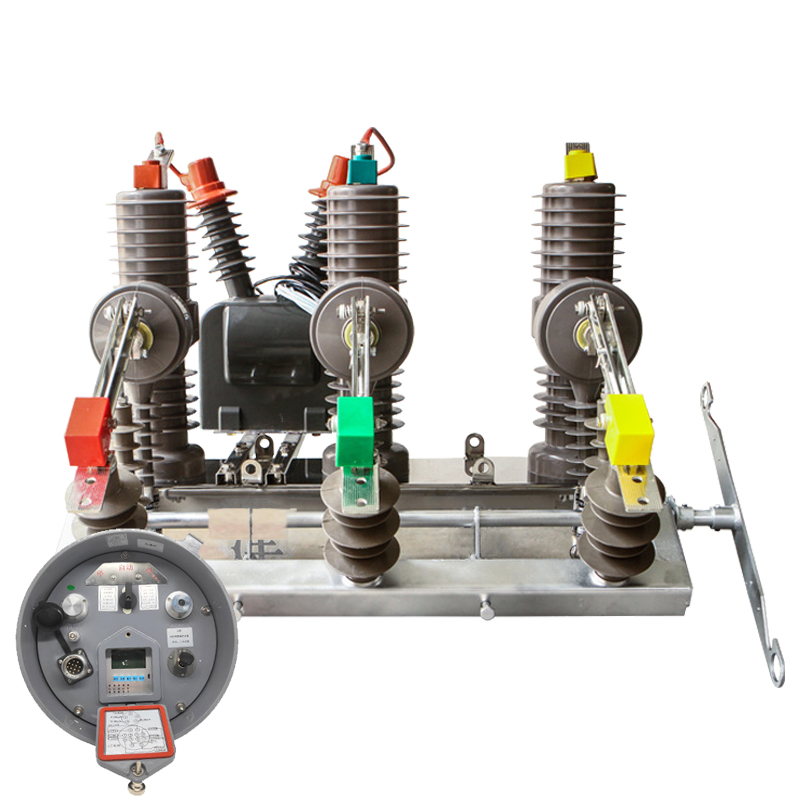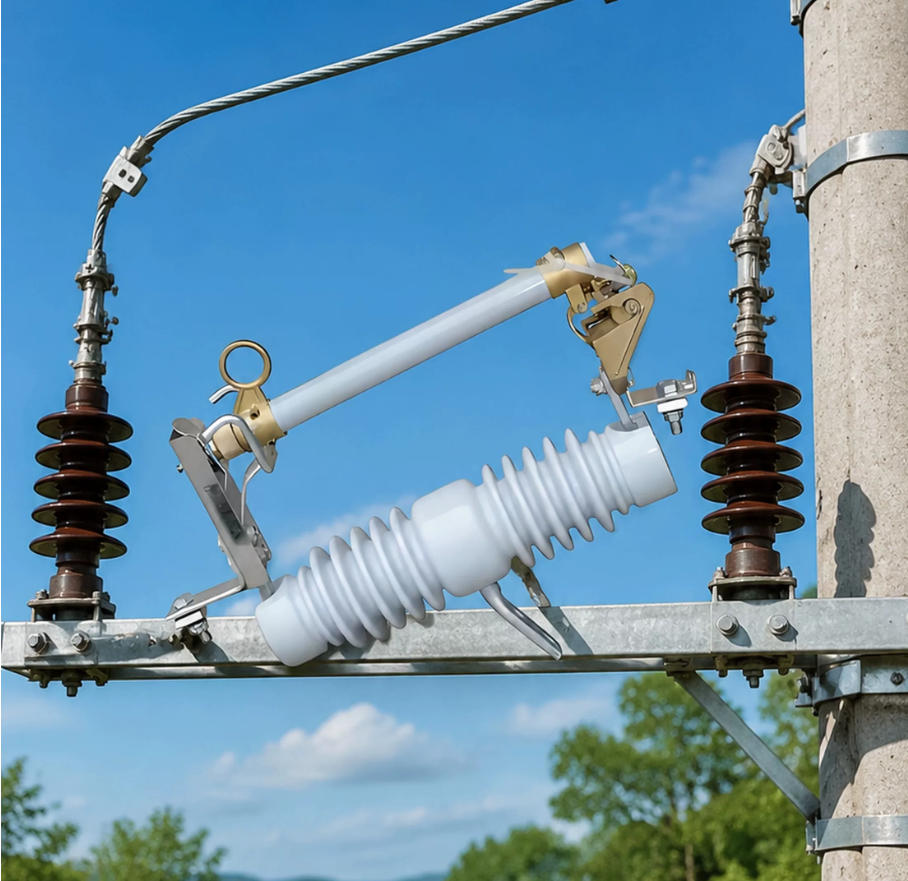
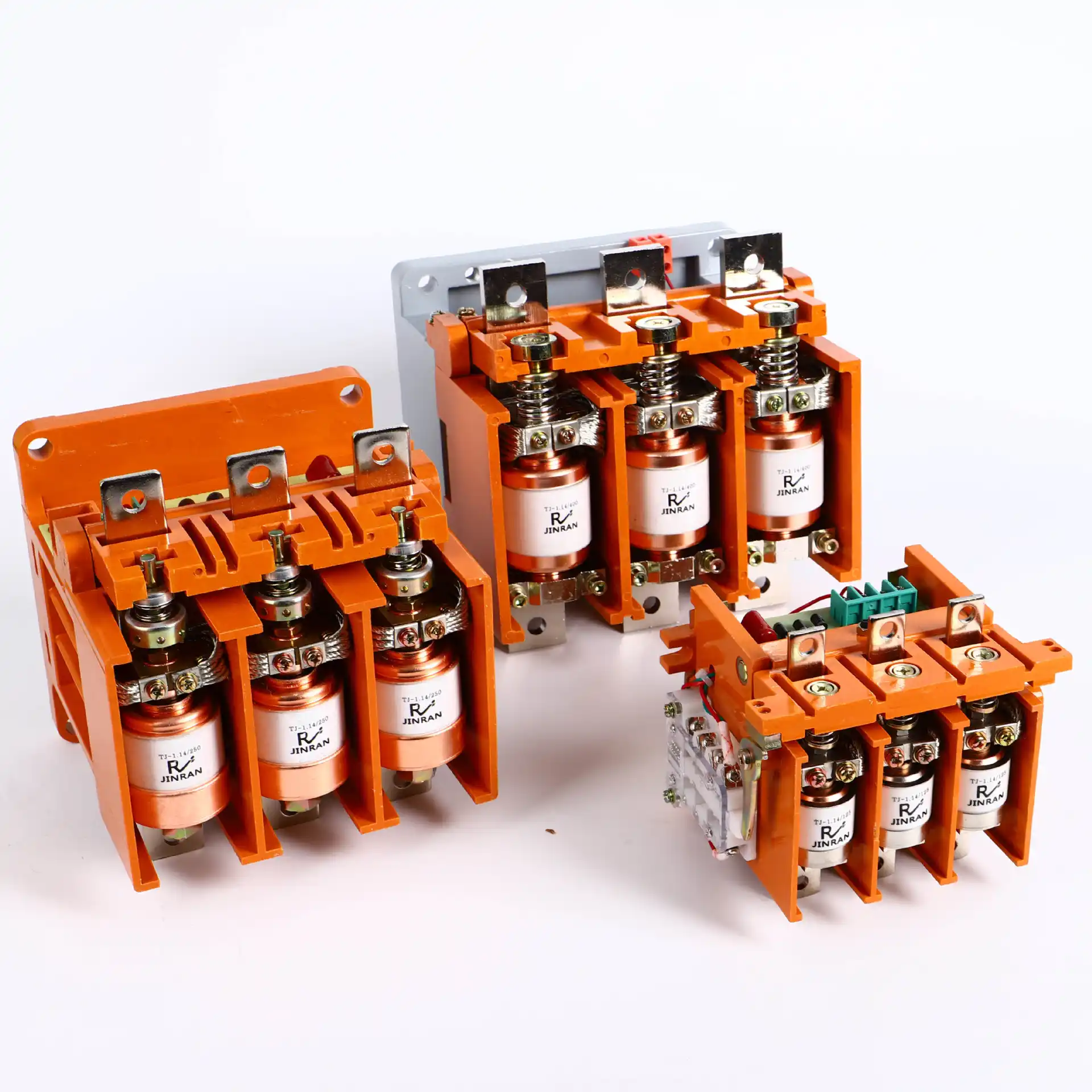
Vacuum contactors and circuit breakers can look almost identical within a medium-voltage switchgear assembly, yet selecting the incorrect device may lead to severe equipment damage.
Imagine a 6.6 kV motor starter designed for frequent starts being asked to clear a serious short circuit without the right protective device. The result can be equipment failure, arc damage, extended downtime, and serious safety risk.
That is why understanding the vacuum contactor vs circuit breaker question is not just a technical detail. It is a core design decision that affects reliability, protection, maintenance, and life-cycle cost.
The Core Problem: Why People Confuse a Vacuum Contactor with a Circuit Breaker
Both devices switch medium-voltage circuits. Both often use vacuum interrupters. Both can open and close electrical loads inside metal-enclosed switchgear.
That visual similarity confuses. However, the difference between a vacuum contactor and a vacuum breaker is fundamental: one is primarily for control and frequent switching, while the other is primarily for protection and fault interruption.
In practical terms, a vacuum contactor is usually selected to start and stop motors, transformers, or capacitor banks repeatedly. A vacuum circuit breaker is selected when the circuit must safely interrupt overloads, short circuits, and abnormal system faults.
Featured Snippet Answer: Difference Between Vacuum Contactor and Vacuum Breaker
A vacuum contactor is a medium-voltage switching device mainly used for frequent operational control of loads such as motors and transformers. A vacuum circuit breaker is a protective device designed to switch normal current and also interrupt fault current safely, usually in coordination with protection relays. In short, contactors are for repetitive load control, while breakers are for protection, isolation, and fault clearing.

Vacuum Contactor vs Circuit Breaker: Quick Comparison Table
| Feature | Vacuum Contactor | Vacuum Circuit Breaker | Why It Matters |
|---|---|---|---|
| Primary function | Frequent load switching and control | Protection and fault interruption | Defines whether the device is for operation or system safety |
| Typical voltage use | Medium-voltage motor and process circuits | Medium-voltage feeders, incomers, and distribution circuits | Application fit is different even when the voltage class is similar |
| Normal current switching | Excellent for repetitive starts/stops | Good, but not always ideal for very high switching frequency | Important for motor duty and operational wear |
| Fault interruption | Usually limited; often relies on fuses or upstream protection | Designed to interrupt substantial short-circuit current | Critical for safe clearing of abnormal conditions |
| Relay dependence | Often paired with fuses and control relays | Works directly with protection relays for tripping | Protection architecture differs significantly |
| Mechanical life | Generally very high for frequent operation | High, but usually lower switching duty than contactors | Impacts maintenance intervals and total ownership cost |
| Operating frequency | High | Moderate | Frequent switching favors contactors |
| Best application fit | Motor starters, capacitor banks, transformer switching | Feeders, substations, generator circuits, incoming sections | Correct application prevents misoperation and premature wear |
What Is a Vacuum Contactor?
A vacuum contactor is a switching device that uses vacuum interrupters to open and close medium-voltage circuits. Its main job is repeated operational control, not primary fault clearing.
It is commonly used in vacuum contactor applications in medium voltage systems such as motor starters, pump stations, mining conveyors, HVAC plants, transformer primary switching, and capacitor bank control.
The strength of a vacuum contactor is endurance. It can handle frequent switching cycles far more economically than many breaker-based solutions.
What Is a Vacuum Circuit Breaker?
A vacuum circuit breaker is a protective switching device that uses vacuum interrupters to interrupt both normal current and fault current. It is engineered for safe isolation and fault clearing.
In most systems, it works with protective relays that detect overloads, short circuits, ground faults, and abnormal operating conditions. Once a fault is identified, the breaker trips and interrupts the current.
This is the core of vacuum circuit breaker switching and protection. The breaker is not just a switch. It is part of the protection system.
How a Vacuum Contactor Works in Medium-Voltage Systems
A vacuum contactor closes by bringing contacts together inside a sealed vacuum interrupter. When it opens, the vacuum environment helps extinguish the arc quickly.
Because there is no air or gas to sustain the arc, wear is reduced compared with older technologies. This makes the device highly suitable for repetitive switching duty.
Still, a vacuum contactor is generally not intended to independently interrupt high fault levels. That is why it is often paired with current-limiting fuses or upstream protective equipment.
How a Vacuum Breaker Provides Switching and Protection
A vacuum breaker also opens and closes contacts inside a vacuum interrupter. The major difference is its interrupting structure, tripping mechanism, insulation design, and coordination with protection relays.
When relays detect abnormal current or voltage conditions, the breaker receives a trip signal and opens fast enough to interrupt the fault safely. This protects cables, transformers, motors, busbars, and downstream equipment.
That is why vacuum circuit breaker switching and protection is essential in feeders, incomers, generator circuits, and distribution systems where fault duty is significant.
Main Difference Between a Vacuum Contactor and a Vacuum Breaker
The simplest way to understand the difference between a vacuum contactor and a vacuum breaker is this: contactors control loads frequently, breakers protect systems by interrupting fault currents.
If the application demands many starts and stops, a contactor is often the better fit. If the application demands direct fault interruption and relay-based protection, a breaker is usually required.
Contactor vs Breaker for Motor Control and Fault Interruption
The question of contactor vs breaker for motor control and fault interruption appears often in industrial design. The answer depends on whether the circuit is mainly operational or mainly protective.
Motors, especially medium-voltage motors, may start and stop many times per day. That frequent duty strongly favors vacuum contactors.
However, motors also need short-circuit protection. That is why many motor starters use a contactor for switching and a fuse or coordinated protective device for fault clearing.
Motor Control Example
A typical 6.6 kV motor starter may use a vacuum contactor to start and stop a 1,000 kW pump motor. High-rupturing-capacity fuses or upstream relay-protected equipment provide short-circuit protection.
This arrangement is common in mining, water treatment, cement, and petrochemical plants. It balances frequent operation with safe fault handling.
Fault Interruption Example
An 11 kV feeder supplying multiple downstream loads usually requires a vacuum circuit breaker. In this case, fault-clearing duty is essential because a feeder fault must be isolated quickly and selectively.
Here, a contactor would typically not be the primary protection device. The breaker is chosen because it can trip under relay command and interrupt the required fault current safely.
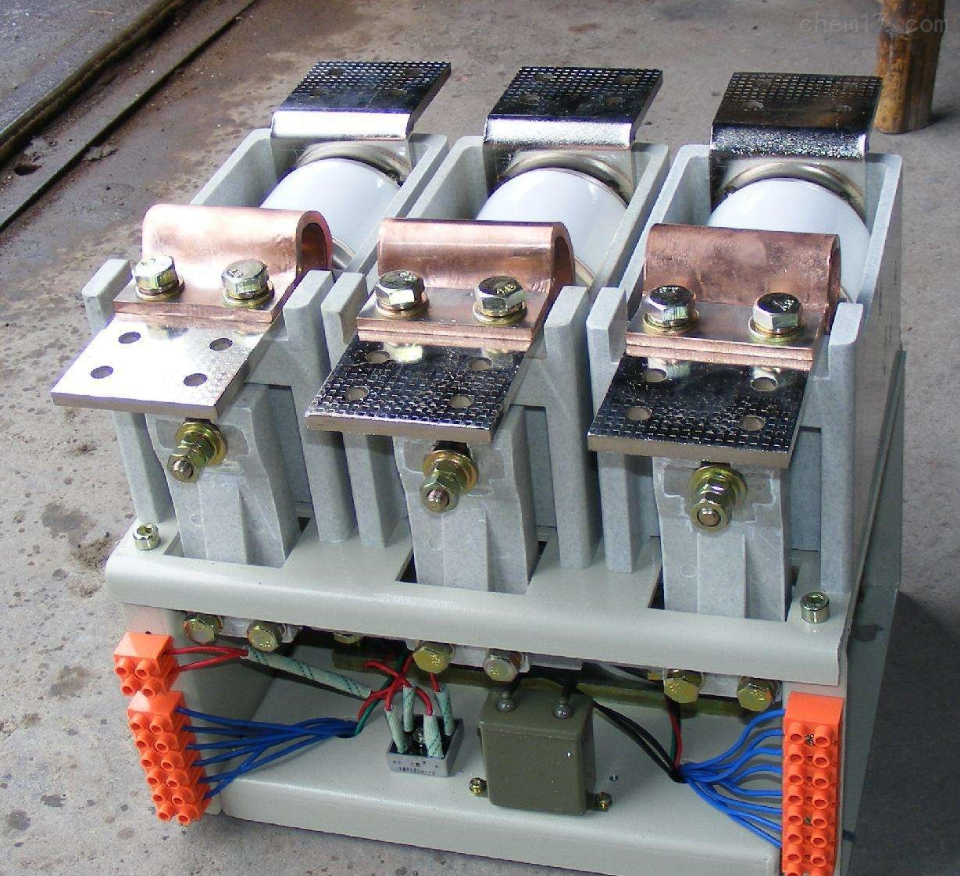
Vacuum Contactor Application in Medium-Voltage Systems
Common vacuum contactor applications in medium voltage systems include:
Medium-voltage motor starters
Pump systems
Mining conveyors
HVAC chiller plants
Capacitor bank switching
Transformer primary switching
Process line equipment with frequent start-stop duty
These applications value compact design, long mechanical life, and high switching frequency. They often use separate protective components to manage fault duty.
Vacuum Circuit Breaker Applications
Typical vacuum circuit breaker applications include:
Metal-clad switchgear lineups
Utility substations
Industrial feeder protection
Generator protection circuits
Transformer feeder circuits
Distribution system fault isolation
Incoming and tie breaker sections
These applications require dependable interruption of fault current and integration with protection schemes. That is why breakers remain standard in protective switchgear roles.
Real-World Example: Medium-Voltage Motor Starter vs Feeder Protection
Consider two real industrial scenarios.
Scenario 1: A 6.6 kV motor starter for a large cooling water pump may switch several times per shift. A vacuum contactor is preferred because repetitive switching is the main duty, while fuses or upstream protection handle major faults.
Scenario 2: An 11 kV plant distribution feeder may supply several MCCs, transformers, and process loads. A vacuum circuit breaker is preferred because the circuit must detect and clear faults selectively to protect the network.
This is the practical difference between a vacuum contactor vs circuit breaker. The motor starter is control-focused. The feeder is protection-focused.
Real-World Data Table: Typical Ratings and Duty Profiles
Actual ratings vary by manufacturer and standard, but the ranges below reflect common industry patterns found in medium-voltage switchgear practice.
| Parameter | Vacuum Contactor | Vacuum Circuit Breaker | Typical Industry Example |
|---|---|---|---|
| Typical switching frequency | Very high, often suitable for frequent daily operation | Moderate, typically lower repetitive duty | Motor starting vs feeder protection |
| Continuous current range | Commonly, hundreds of amps | Commonly, hundreds to several thousand amps | Process motor circuit vs main feeder |
| Short-circuit interruption | Usually dependent on fuses or backup protection | Common medium-voltage ratings often around 25 kA to 40 kA, with higher options available | 11 kV feeder breaker in industrial switchgear |
| Mechanical life | Often very high, commonly in the hundreds of thousands to 1,000,000 operations, depending on design | Often tens of thousands of operations, depending on class and duty | Frequent motor control vs protection switching |
| Electrical endurance | Strong for repetitive load switching | Strong for protection duty and fault interruption | Capacitor switching vs fault-clearing feeder duty |
| Maintenance interval | Often extended in clean indoor service | Also extended, but inspection depends on the fault duty and operating history | Modern vacuum switchgear installations |
For context, global medium-voltage distribution systems in utilities, mining, oil and gas, data centers, and heavy industry commonly use 3.3 kV, 6.6 kV, 11 kV, and 13.8 kV classes. In those systems, the choice between a contactor and breaker is driven more by duty than by voltage alone.
Pros and Cons of Vacuum Contactors
| Advantages | Disadvantages |
|---|---|
| Excellent for frequent switching | Not typically intended for direct high fault interruption |
| Compact and efficient for motor control | Usually requires fuses or separate protective coordination |
| High mechanical life | Less suitable as the primary feeder protection device |
| Often cost-effective for repetitive operational duty | Application limits must be carefully respected |
Pros and Cons of Vacuum Circuit Breakers
| Advantages | Disadvantages |
|---|---|
| Designed for fault interruption and system protection | Typically, higher cost than a contactor-based motor control solution |
| Integrates with relay schemes for selective tripping | May be less economical for a very frequent switching duty |
| Suitable for feeders, incomers, and critical distribution circuits | Can be larger and more protection-intensive in some applications |
| Supports isolation and protective coordination | Using one for pure repetitive control may be over-specified |
When to Use a Vacuum Contactor Instead of a Breaker
Choose a vacuum contactor when the circuit requires frequent operational switching and separate protective devices already cover fault duty. This is common in motor starters, transformer switching, and capacitor bank control.
A contactor is usually the better choice when start-stop cycles are high, footprint matters, and the design goal is efficient control rather than primary interruption of major faults.
When to Use a Vacuum Circuit Breaker Instead of a Contactor
Choose a vacuum circuit breaker when the circuit must directly interrupt fault current, coordinate with protective relays, and provide safe isolation. This is standard for feeders, incomers, generator circuits, and distribution bus sections.
If the system study shows meaningful short-circuit duty at the device location, a breaker is often non-negotiable. Protection duty takes priority over switching convenience.
Can a Vacuum Contactor Replace a Circuit Breaker?
Usually no. A vacuum contactor generally cannot replace a vacuum circuit breaker where direct fault interruption, relay tripping, and protective isolation are required.
It may switch normal load current effectively, but that does not make it a substitute for feeder-grade protection. Using it incorrectly can compromise safety and equipment survival.
Can a Vacuum Breaker Replace a Vacuum Contactor?
Sometimes, yes, but not always wisely. A vacuum breaker can switch loads, including motors in some designs, but it may be less economical or less optimized for very frequent switching duty.
If a motor starts many times per day, a contactor-based approach is often more practical. A breaker may perform the job, but not always at the best cost or endurance profile.
Selection Guide: How to Choose Between a Vacuum Contactor and a Breaker
Use this checklist when comparing options:
Load type: Motor, transformer, capacitor bank, feeder, generator, or incomer
Switching frequency: Occasional, regular, or highly repetitive
Fault level: Available short-circuit current at the installation point
Protection scheme: Fuses, relays, upstream backup, or direct breaker tripping
Coordination needs: Selective tripping and system isolation requirements
Maintenance plan: Expected operations, inspection interval, and spares strategy
Budget: Initial equipment cost and total life-cycle cost
In short, evaluate the circuit duty first. Then match the device to the duty, not just the voltage class.
Decision Table: Vacuum Contactor vs Vacuum Circuit Breaker Selection
| Application | Switching Duty | Fault Level | Protection Requirement | Recommended Device |
|---|---|---|---|---|
| Medium-voltage motor starter | High | Handled by fuses or coordinated protection | Frequent control with backup fault protection | Vacuum Contactor |
| Pump or conveyor drive | High | Moderate to high, with external protection | Operational switching focus | Vacuum Contactor |
| Capacitor bank switching | Regular | Application-specific | Controlled switching | Vacuum Contactor |
| Industrial feeder | Moderate | High | Direct fault interruption required | Vacuum Circuit Breaker |
| Incoming switchgear section | Low to moderate | High | Protection, isolation, coordination | Vacuum Circuit Breaker |
| Generator output circuit | Moderate | High | Relay-based fault clearing | Vacuum Circuit Breaker |
Common Mistakes When Comparing Vacuum Contactors and Breakers
Many poor selections happen because engineers or buyers compare the wrong parameters.
Comparing by voltage alone: Same voltage rating does not mean same duty capability
Ignoring fault current: Available short-circuit current must match the interrupting role
Overlooking coordination: Fuses, relays, and upstream devices affect device choice
Confusing switching with protection: A device that switches well may not protect well
Ignoring operation frequency: High cycling duty may favor contactors strongly
Focusing only on upfront cost: Life-cycle wear and protection performance matter more

FAQ
What is the difference between a vacuum contactor and a circuit breaker?
A vacuum contactor is mainly used for frequent switching and control of medium-voltage loads such as motors and transformers, while a vacuum circuit breaker is designed to interrupt both normal and fault current as part of a protection system.
Is a vacuum contactor a breaker?
No. A vacuum contactor is not typically considered a breaker because it is not primarily designed to independently interrupt high short-circuit currents in the same way a protective circuit breaker does.
Can a vacuum contactor interrupt short-circuit current?
Generally, it is not the main short-circuit interrupting device. In most applications, it relies on fuses or upstream protective equipment to clear major faults safely.
Why use a vacuum contactor for motor control?
It is well-suited for frequent starts and stops, offers long mechanical life, and is commonly used in medium-voltage motor starter designs where repetitive switching is the main duty.
When should I choose a vacuum circuit breaker?
You should choose a vacuum circuit breaker when protection, relay coordination, isolation, and direct fault interruption are essential parts of the application.
Which is better for medium-voltage systems: vacuum contactor or vacuum breaker?
Neither is universally better. The right choice depends on switching duty, protection needs, fault level, system coordination, and whether the circuit is control-focused or protection-focused.
What are typical vacuum contactor applications in medium-voltage systems?
Typical applications include motors, transformers, capacitor banks, pumps, compressors, conveyors, and process equipment starters in industrial medium-voltage systems.
Can a breaker do the same job as a contactor?
Sometimes it can switch the same load, but frequent operation may make it less practical or less cost-effective than a contactor, especially in repetitive motor control duty.
Conclusion: The Best Choice Depends on Control Duty vs Protection Duty
The answer to the vacuum contactor vs circuit breaker question is not about which device is better in general. It is about which device is correct for the duty.
If the system needs repetitive switching, a vacuum contactor is often the right tool. If the system needs direct fault interruption, protection coordination, and safe isolation, a vacuum circuit breaker is the right choice.
In many medium-voltage designs, both devices play important but different roles. Understanding the difference between vacuum contactor and vacuum breaker helps engineers avoid under-protection, overspending, and operational risk.
CTA: Need Help Choosing the Right Medium-Voltage Switching Device?
Before selecting equipment, compare the one-line diagram, operating duty, short-circuit level, relay scheme, and maintenance expectations. The right decision should match the real application, not just a catalog label.
If you need expert support for medium-voltage switchgear selection, vacuum contactors, vacuum circuit breakers, or application-specific control and protection solutions, contact Weisho Electric.
Weisho Electric stands out at the end of the selection process because dependable medium-voltage performance starts with the right manufacturer, the right engineering guidance, and the right product fit.