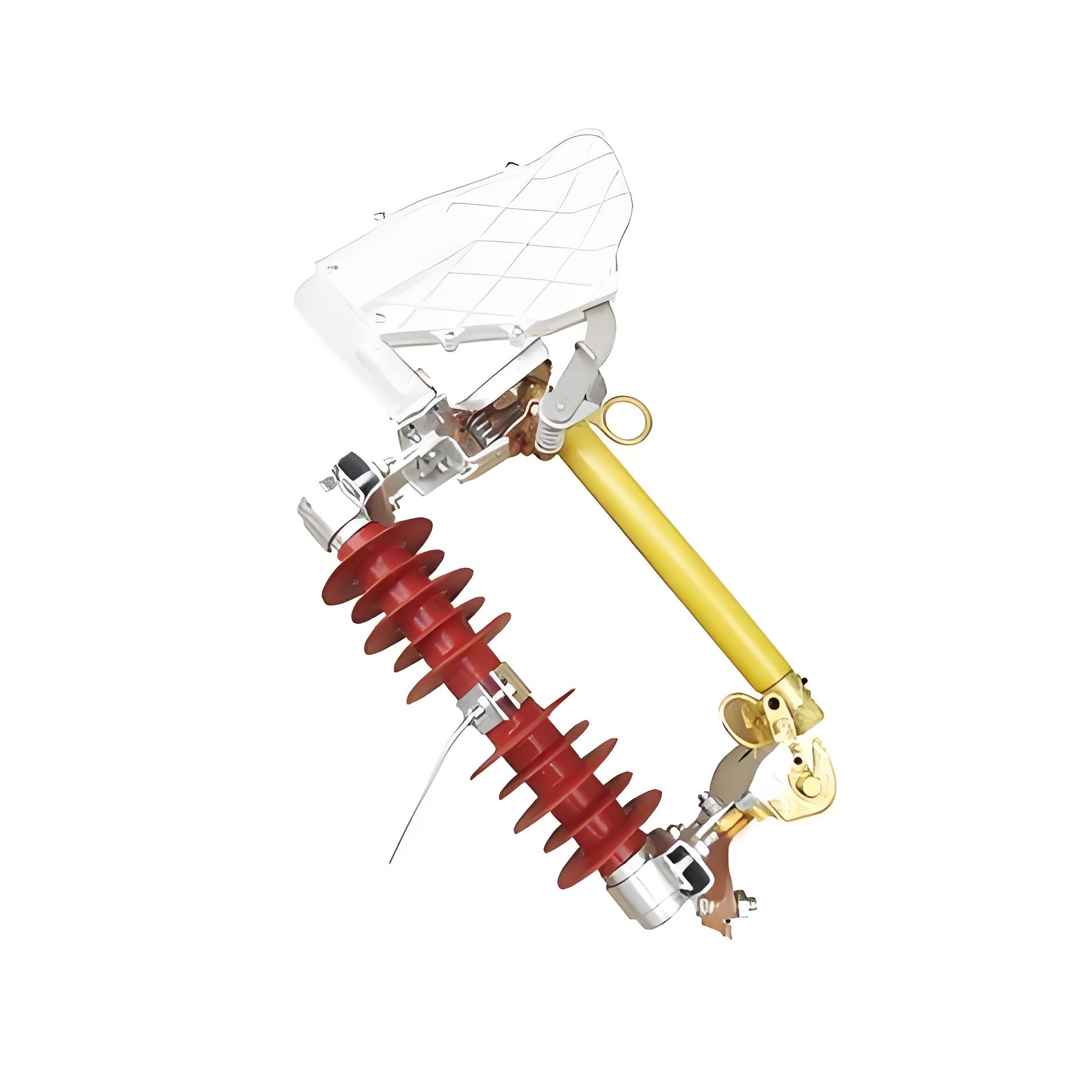
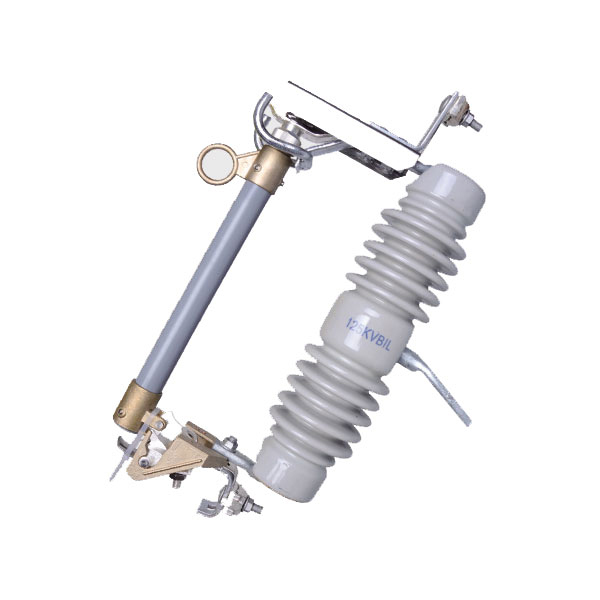
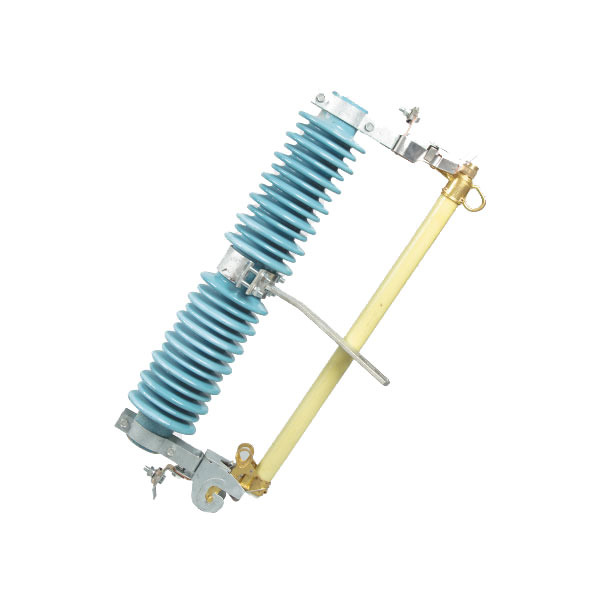
The RW7 - 12 Outdoor High Voltage Drop - Out Fuse is a crucial protective device in high - voltage electrical systems, especially designed for outdoor applications. It plays a vital role in ensuring the safe and stable operation of power distribution networks.
Short - Circuit and Overload Protection: Its primary function is to provide reliable short - circuit and overload protection for power distribution systems. In case of a short - circuit or overload fault, the fuse will quickly cut off the circuit, preventing damage to power transformers, transmission lines, and other electrical equipment. For example, when a sudden short - circuit occurs in a 10kV power distribution line, the RW7 - 12 drop - out fuse can respond rapidly to protect the line and downstream equipment.
Circuit Disconnection: It is also used for circuit disconnection during normal or fault conditions. In normal operation, it can be used to disconnect the circuit when necessary for maintenance or equipment switching. During fault situations, it ensures a clear disconnection to isolate the faulty section.
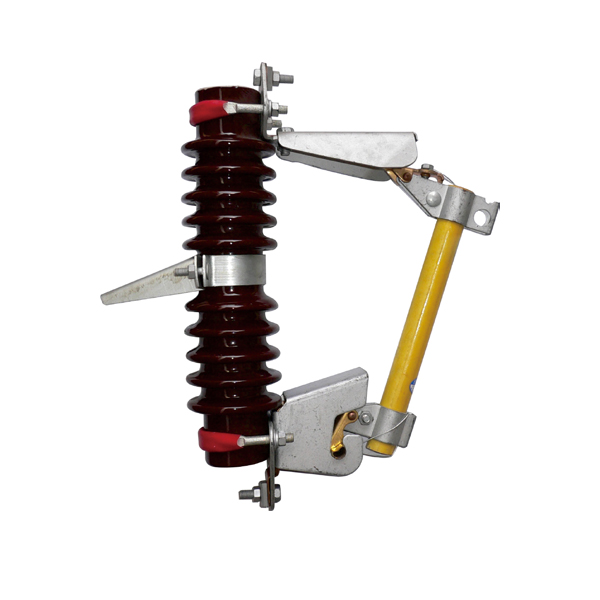
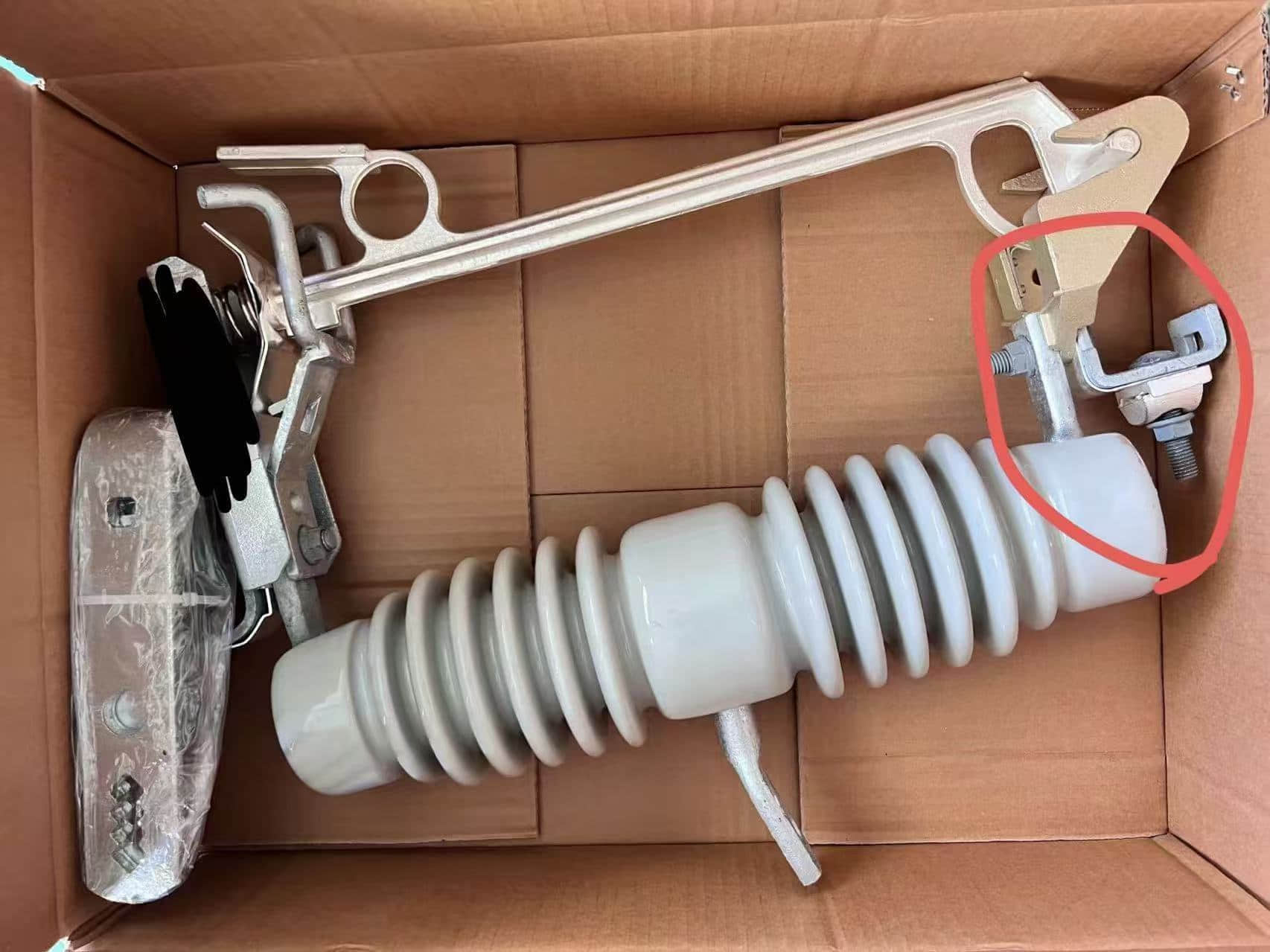
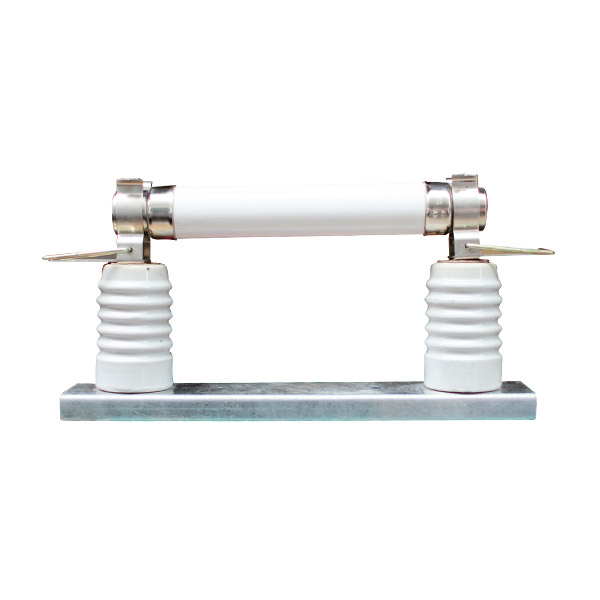
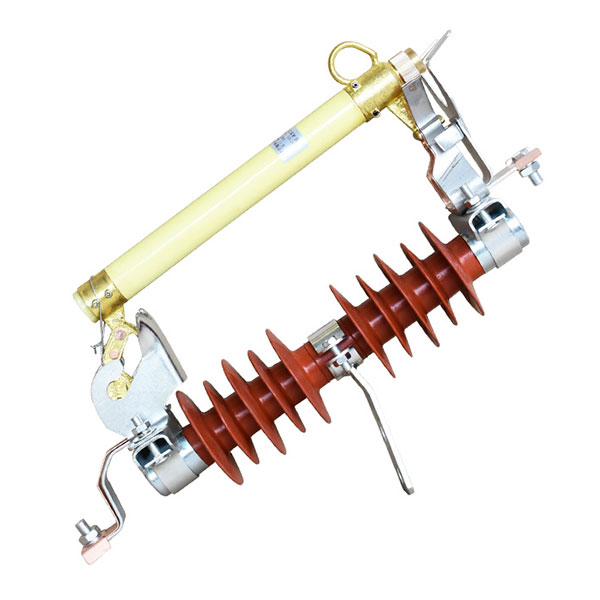
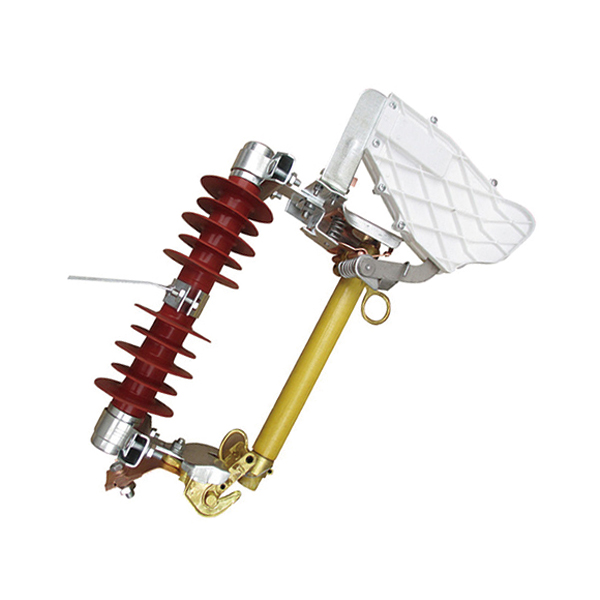
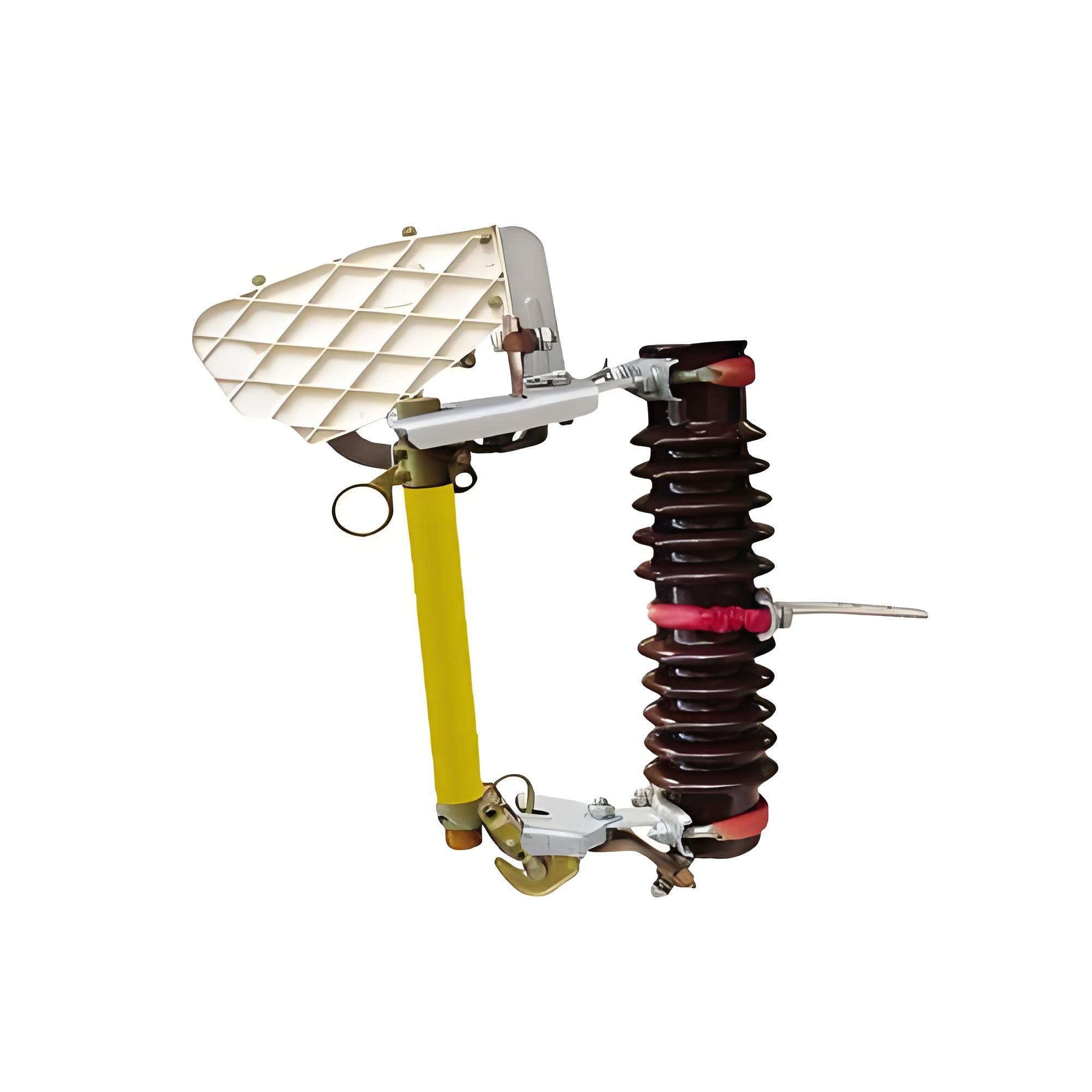
Insulating Bracket: The insulating bracket serves as the foundation of the fuse, providing stable support and excellent insulation. It holds the static contacts at both ends, ensuring electrical isolation from the mounting structure. Made of high - quality insulating materials, it can withstand high - voltage electrical stress and various environmental factors.
Fuse Tube: The fuse tube is a key component of the device. It contains the dynamic contacts and the fuse element. The tube consists of an inner arc extinction tube and an outer layer, which can be made of phenolphthalein paper or epoxy glass cloth. The inner arc extinction tube is designed to extinguish the arc generated when the fuse melts, while the outer layer provides additional mechanical strength and insulation.
Contact System: The contact system includes static and dynamic contacts. The static contacts are fixed on the insulating bracket, and the dynamic contacts are installed at the ends of the fuse tube. When the fuse is in the closed state, the dynamic and static contacts are in good contact to ensure the normal flow of current.
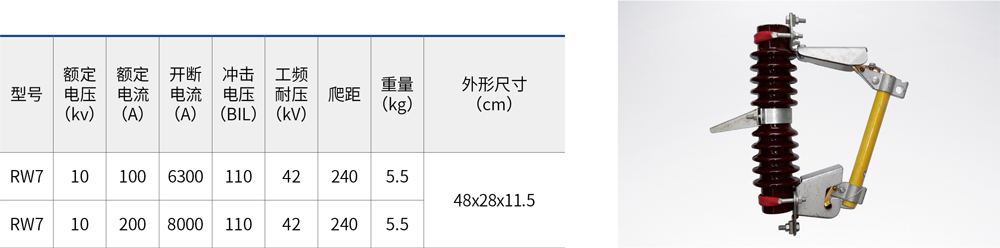
Rated Voltage: The rated voltage of the RW7 - 12 drop - out fuse is 12kV, which makes it suitable for use in 10kV power distribution systems (since 12kV is the standard voltage level for the high - voltage side of 10kV systems considering voltage fluctuations).
Rated Current: Available rated current options are typically 100A and 200A, allowing for flexibility in different applications depending on the load requirements of the protected circuit.
Rated Breaking Current: The rated breaking current is 6.3kA for the 100A version and 8kA for the 200A version. This indicates the maximum short - circuit current that the fuse can safely interrupt.
Power Frequency Withstand Voltage: It can withstand a power frequency voltage of 42kV (voltage to ground) for 1 minute, ensuring its insulation performance under normal operating voltage conditions.
Rated Lightning Impulse Withstand Voltage: The fuse can endure a rated lightning impulse withstand voltage of 75kV (voltage to ground), protecting against transient overvoltages caused by lightning strikes.
Creepage Distance: The standard configuration has a creepage distance of 260mm, which helps prevent flashovers due to surface contamination and moisture in outdoor environments.
Temperature Range: The maximum operating temperature is +45 ºC, and the minimum is -40 ºC. This wide temperature range enables the fuse to operate in various climatic regions, from hot deserts to cold mountainous areas.
Daily Temperature Difference: The maximum daily temperature difference is 25K, which takes into account the thermal stress caused by daily temperature variations.
Relative Humidity: The daily mean relative humidity should be ≤ 95%, and the monthly mean ≤ 90%. The fuse is designed to maintain its performance even in humid environments, such as coastal areas.
Altitude: It is suitable for installation at altitudes not higher than 1000m. For higher altitudes, special considerations may be required due to the reduced air density and its impact on insulation performance.
Wind Speed: The fuse can withstand wind speeds not exceeding 35m/s, ensuring its stability in windy outdoor conditions.
Radial Thickness of Ice: It can tolerate a radial thickness of ice up to 10mm, which is important for regions with ice - prone weather.
Earthquake Intensity: The fuse is designed to operate in areas with earthquake intensities not exceeding 8 degrees, providing reliability in seismically active regions.
Installation Site: The installation site should be free of severe vibration and air pollution. Polluted air can reduce the insulation performance of the fuse over time, and severe vibration may cause mechanical damage to the components.
10kV Power Distribution Lines: Widely used in 10kV power distribution lines, the RW7 - 12 drop - out fuse protects the lines from short - circuits and overloads, ensuring the continuous and stable supply of electricity to end - users.
Primary Side of Power Distribution Transformers: Installed on the primary side of power distribution transformers, it serves as the main protection device. In case of faults in the transformer or the incoming line, the fuse can quickly cut off the power to prevent further damage to the transformer.
Equipment Protection and Switching: It provides protection and switching operation for various electrical equipment in the power distribution system, such as capacitor banks and small - scale industrial equipment.
Installation: When installing the RW7 - 12 drop - out fuse, it is necessary to ensure that the installation location is firm and stable. The fuse should be installed at the correct height and angle, with a recommended vertical distance from the ground of not less than 4m. The inclination angle of the fuse tube should be 25°±2° downward to facilitate the automatic drop of the tube when the fuse melts. The distance between adjacent fuses should be sufficient to avoid interference during operation.
Maintenance: Regular maintenance is essential to ensure the proper functioning of the fuse. This includes visually inspecting the fuse for any signs of damage, such as cracks in the insulating bracket or the fuse tube, and checking the tightness of the contacts. The fuse element should be replaced if it shows signs of wear or if it has been subjected to a fault current. In addition, the operating mechanism should be tested periodically to ensure smooth operation.